Health

How Stress Affects the Human Body

Stress is a natural biological reaction designed to help humans survive danger. In small doses, it sharpens focus, boosts energy, and enhances performance. However, when stress becomes frequent or prolonged, it shifts from protective to harmful. Chronic activation of the body’s stress response can quietly influence nearly every organ system.

Understanding how stress affects the body reveals why managing it is essential for long-term health.

What Happens Inside the Body During Stress?

When the brain perceives a threat, it activates the fight-or-flight response. The amygdala signals the hypothalamus, which then stimulates the autonomic nervous system. This leads to the release of stress hormones such as adrenaline and cortisol.

Key immediate changes include:

  • Increased heart rate

  • Faster breathing

  • Elevated blood pressure

  • Sharpened senses

  • A surge of glucose into the bloodstream

These reactions are helpful in emergencies. Problems arise when this response is triggered repeatedly by work pressure, financial concerns, or personal conflicts.

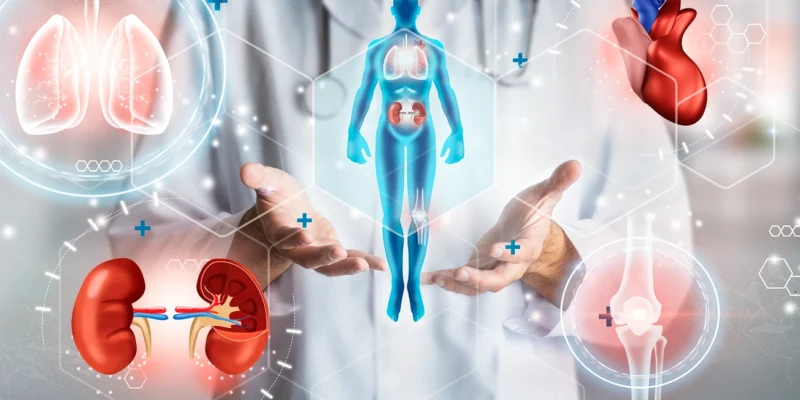
Effects of Stress on Major Body Systems

1. Brain and Nervous System

Chronic stress reshapes the brain’s functioning.

  • Memory and concentration decline due to prolonged cortisol exposure

  • Increased anxiety and irritability

  • Higher risk of depression

  • Sleep disturbances

Long-term stress may even reduce the size of the hippocampus, the region involved in memory processing.

2. Cardiovascular System

Stress directly affects the heart and blood vessels.

  • Elevated blood pressure

  • Increased heart rate

  • Higher risk of heart disease and stroke

Repeated stress responses can damage artery walls and contribute to plaque buildup.

3. Immune System

Short-term stress can temporarily boost immune defense. However, persistent stress suppresses immunity.

  • Greater susceptibility to infections

  • Slower wound healing

  • Increased inflammation

Chronic inflammation is linked to numerous diseases, including autoimmune disorders.

4. Digestive System

Stress alters gut function through the brain–gut connection.

  • Stomach pain or cramps

  • Diarrhea or constipation

  • Worsening of conditions like irritable bowel syndrome (IBS)

  • Appetite changes

Some people overeat during stress, while others lose interest in food entirely.

5. Musculoskeletal System

Under stress, muscles tighten as a protective reflex.

  • Headaches

  • Neck and shoulder pain

  • Back pain

  • Increased risk of tension-related injuries

Persistent muscle tension can lead to chronic pain syndromes.

6. Endocrine System

The endocrine system regulates hormones. Stress disrupts this balance.

  • Elevated cortisol levels

  • Disrupted thyroid function

  • Hormonal imbalances affecting metabolism

Over time, this can contribute to weight gain, especially around the abdomen.

7. Reproductive System

Stress interferes with reproductive hormones in both men and women.

In women:

  • Irregular menstrual cycles

  • Increased premenstrual symptoms

  • Fertility challenges

In men:

  • Reduced testosterone levels

  • Decreased sperm production

  • Lower libido

Acute vs. Chronic Stress

Understanding the difference is critical.

Acute stress

  • Short-term

  • Triggered by immediate challenges

  • Usually resolves quickly

  • May enhance performance

Chronic stress

  • Long-lasting

  • Caused by ongoing life pressures

  • Damages physical and mental health

  • Increases risk of chronic disease

The body is built to handle short bursts of stress, not continuous strain.

Physical Warning Signs of Excessive Stress

Recognizing symptoms early can prevent complications.

Common indicators include:

  • Persistent fatigue

  • Frequent headaches

  • Digestive issues

  • Rapid heartbeat

  • Insomnia

  • Increased reliance on caffeine, alcohol, or nicotine

When these signs become routine, it may signal that the body’s stress response is overactive.

Long-Term Health Risks

If unmanaged, chronic stress can contribute to:

  • Cardiovascular disease

  • Type 2 diabetes

  • Obesity

  • Anxiety disorders

  • Depression

  • Weakened immune function

Stress rarely acts alone; it often worsens existing health conditions.

How to Reduce the Impact of Stress

While stress cannot be eliminated, it can be managed effectively.

Practical Strategies

  • Regular physical activity – helps regulate cortisol

  • Adequate sleep – restores hormonal balance

  • Mindfulness or meditation – calms the nervous system

  • Deep breathing exercises – lowers heart rate

  • Healthy nutrition – stabilizes blood sugar

  • Social connection – provides emotional support

Small, consistent habits often produce the greatest long-term benefits.

The Mind–Body Connection

Stress highlights how closely mental and physical health are intertwined. Thoughts trigger biological reactions, and those reactions influence mood, energy, and overall well-being. Managing stress is not just about feeling calmer—it is about protecting the body from silent, cumulative damage.

Prioritizing stress reduction is a proactive investment in lifelong health.

Frequently Asked Questions (FAQ)

1. Can stress cause permanent damage to the body?

Yes, prolonged stress can contribute to lasting changes in the brain, cardiovascular system, and immune function. The extent of damage depends on duration, intensity, and individual resilience.

2. Why does stress sometimes cause chest pain?

Stress increases heart rate and muscle tension, which can create chest tightness. However, persistent or severe chest pain should always be evaluated by a medical professional.

3. Does stress affect children differently than adults?

Children may show stress through behavioral changes, sleep problems, or physical complaints like stomachaches. Their developing brains can be particularly sensitive to chronic stress.

4. How does stress impact weight?

Elevated cortisol levels can increase appetite and promote fat storage, especially around the abdomen. Stress can also trigger emotional eating.

5. Can stress weaken vaccine effectiveness?

Chronic stress may reduce immune responsiveness, potentially affecting how well the body responds to vaccines, although the impact varies by individual.

6. Is all stress harmful?

No. Short-term stress can improve alertness and performance. The harmful effects arise when stress becomes continuous and unmanaged.

7. How long does it take the body to recover from chronic stress?

Recovery time varies depending on lifestyle changes, overall health, and stress duration. With consistent stress-management strategies, improvements may begin within weeks.

You may also like

More in:Health