 By Daxton Derek
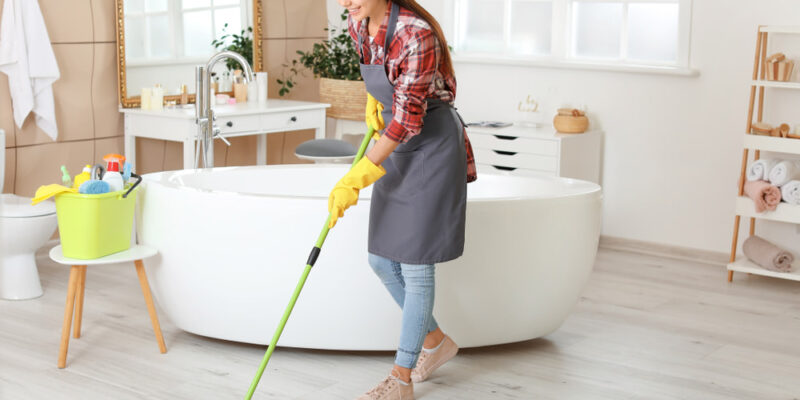
A clean home means a clean washroom. Sadly, there’s a lot of misinformation out there that leads many people to believe bathroom cleaning myths, thinking they’ll get everything sparkling clean and in no time.
However, believing these things can just waste your time and money, and sometimes even have detrimental effects.
So, let’s dive in and help you discern fact from fiction, so you don’t waste unnecessary effort and cash when cleaning your bathroom.
Myth 1: Bleach is the Ultimate Cleaner
This cleaner is really popular because it kills germs effectively, but it’s not the all-in-one cleaner some folks think it is. Sure, it’s great for getting rid of bacteria, but if you’re dealing with some serious dirt, grime, or soap scum, bleach won’t help much.
In fact, cleaners with ingredients called surfactants are better for breaking down grease and dirt. They make great use of water, so it soaks in the dirt and muck and helps lift it away. For really tough grime, you can try cleaners containing alkaline—they’re great at dissolving the tricky bits.
A good tip is to start with these surfactants and alkaline cleaners, then finish with bleach to kill germs. This way, you get a bathroom that’s not just clean but also super safe. Plus, it saves time and makes cleaning easier, keeping your bathroom fresh and healthy.
Alternatively, you could always find reliable cleaners in your area who can tackle and disinfect the entire room, sparing you lots of time and effort in the process. Most companies use eco-friendly cleaners nowadays and are trained to deliver stunning results.
That can be much safer than using bleach on everything and breathing the chemical fumes it emits, which are proven to irritate lungs and cause health issues. That’s why, if you’re using bleach, it’s best to ensure proper ventilation, so you protect yourself and stay healthy.
Myth 2: Vinegar is a Universal Cleaner
If you’re like most of us, you’ve probably reached for a bottle of white vinegar when the bathroom starts to look a bit grim. It’s great at removing limescale and soap scum on shower doors, taps, and grout.
Just remember, though, vinegar isn’t a one-size-fits-all solution. You’ll want to steer clear of using it on marble and granite surfaces, as the acid can leave some rather unattractive marks behind and ruin them.
If you’re dealing with greasy messes, you might try a cleaner designed to break down oil and grease. A bit of dish-washing liquid on a greasy stovetop can do wonders, much better than vinegar for this type of mess.
Now, white distilled vinegar is also about 5% acetic acid, which helps it tackle grime with ease. But keep in mind, it’s not a disinfectant! So, if you’re after germ-killing power, you’ll need a separate disinfectant, like hydrogen peroxide or alcohol.
A quick dab of a peroxide spray on bathroom taps can keep things fresh and hygienic. For stubborn dirt, mix baking soda with a splash of water to make a paste. Rub it on and give it a scrub–you’ll be amazed at how it tackles grime.
Myth 3: Scrubbing Too Aggressively Removes Grime Faster
Believing this may cause you to tackle surfaces with excessive force and cause scratching.
Harder scrubbing with tools such as stiff brushes or abrasive pads can cause scratches to enamel, fibreglass, and chrome finishes, creating microscopic grooves where dirt embeds more deeply, and bacteria grow.
It also wears out the protective glazes of porcelain and accelerates future staining. That’s why it’s best to use gentle, circular motions and with the right tools–microfibre cloths are ideal for this kind of thing.
You’ll find that patience and the right tools achieve far better results in the end, and safer, too.
Myth 4: Mixing Different Cleaners For “Extra Power”
This is not only inefficient, but it can be dangerous as well. For example, combining bleach with any other household cleaners (like vinegar and other acids) releases chlorine gas or chloramine, which is irritating to the eyes, lungs, and skin.
Moreover, overloading surfaces with multiple products simultaneously will leave behind residues–sometimes sticky, sometimes just unsightly. The result is that more grime and dirt will be attracted to these spots, and sometimes it can even foster mould growth.
So, when you’re tackling the bathroom, stick to one cleaner at a time. You’ll save yourself plenty of headaches that way, and most importantly, you’ll protect your health and your property.
Lastly, when you’re switching to another cleaner, don’t forget to wash the surface thoroughly of the previous one. Doing so ensures maximum safety and gets the job done much more effectively and risk-free.
Myth 5: It’s Fine To Use The Same Cloth for the Entire Bathroom
This one should be obvious. It’s one thing to wipe the counters and sinks, it’s another thing to wipe the toilet (or behind it).
Even if you disinfect the tool, it’s safer to use it for one specific designated area than to tackle everything with it. Doing so causes cross-contamination and spreads dangerous bacteria like E. Coli, mould, and other pathogens, which is something you definitely don’t want.
So, designate specific cloths and sponges for specific areas. You could even use different colours and assign one for every spot–that way you’ll never get confused. Disinfect and replace them often to ensure maximum hygiene.
Alternatively, use disposable wipes as they offer convenience for high-risk spots. That way, you’ll deal with the germs faster and much more safely.
Conclusion
Figuring out the truth behind bathroom cleaning myths is how you’ll keep your washroom sparkling and hygienic.
We hope you’ve gained clarity after reading this and will never repeat these bathroom cleaning mistakes.
And should things get too much at times, you can always call pro cleaners to get your bath sparkling clean in no time, while you dedicate your time to more important things, like family.