 By Daxton Derek
Patio, cordon, and espalier fruit trees all help gardeners use space carefully, but they are not interchangeable. Each form asks for a different position, pruning rhythm, and level of attention. Comparing them before ordering prevents a compact idea from becoming a maintenance problem.
The best form is the one that fits the garden and the gardener. A patio tree may suit a container or small paved area, a cordon can make a narrow run productive, and an espalier can turn a boundary into structure. The choice should be practical before it is decorative.
When gardeners compare compact forms, a specialist nursery view from Fruit-Trees is that shape should be chosen around access as much as space. Patio, cordon, and espalier trees each save room in a different way, but each also needs pruning, watering, and harvest access. The right choice depends on whether the gardener wants a container feature, a narrow productive line, or a trained boundary. Matching form to routine is what keeps compact fruit growing enjoyable.
That comparison makes the decision more honest. Space-saving forms are valuable, but only when the gardener accepts the care pattern that comes with them.
That steadier frame also keeps the article practical. The tree is judged by the place it will occupy, the care it will receive, and the crop or seasonal value it can realistically provide. A measured choice is easier to plant well and easier to keep supporting after the first enthusiasm has passed. It also gives the gardener a clearer reason for each small decision that follows next. That kind of clarity is especially useful when weather, space, and household routines begin to test the original plan. It keeps the focus on steady establishment, practical access, and a result the gardener can still support after several seasons. That is where a careful choice proves its worth in ordinary garden life through changing seasons ahead. It also helps the final planting feel intentional rather than merely convenient later.
Understand What Patio Trees Do Best
Patio trees are often chosen for containers and small paved spaces. They can bring fruit growing close to seating areas, doors, and visible parts of the garden. For gardeners comparing compact and trained fruit tree forms, this makes the decision more practical because the gardener should still treat them as living trees with root and water needs. A container makes access easy but increases responsibility for care.
The common risk is thinking patio means low attention. Potted trees depend on the gardener for water, feeding, and root protection. A better reading of understand what patio trees do best keeps the tree connected to a garden where form decides how fruit fits into available space, rather than to a quick preference that looks good only while the tree is young.
Gardeners can make this check useful by choosing a suitable container and placing it where light is strong. The pot should support stability as well as appearance. That gives the final choice a stronger reason to belong in the garden and reduces the chance of correction later.
In British gardens, containers dry faster than open ground. Regular moisture checks become part of the routine. The tree then has a route into ordinary care, which is usually more valuable than choosing the most dramatic option on paper.
Over time, understand what patio trees do best also shapes a tree form that fits space, care, harvest, and visual structure. patio growing becomes practical when care is close at hand. When the gardener can explain why the tree belongs in that exact place, the planting becomes easier to defend, easier to maintain, and easier to enjoy through regular pruning, seasonal growth, and the practical harvest period.
Use Cordons for Productive Narrow Lines
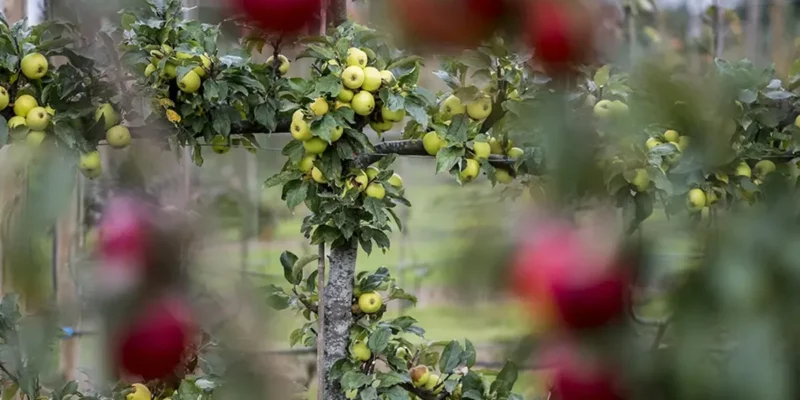
Cordons suit gardeners who want fruit along a narrow run. They can work beside paths, fences, or productive beds where a freestanding tree would take too much room. For gardeners comparing compact and trained fruit tree forms, this makes the decision more practical because the form depends on regular pruning to remain tidy and fruitful. A cordon is compact because it is managed, not because it needs no care.
The common risk is choosing cordons for space-saving without accepting pruning. The line can become congested if growth is ignored. A better reading of use cordons for productive narrow lines keeps the tree connected to a garden where form decides how fruit fits into available space, rather than to a quick preference that looks good only while the tree is young.
Gardeners can make this check useful by planning support, spacing, and access before planting. The gardener should be able to reach both sides where possible. That gives the final choice a stronger reason to belong in the garden and reduces the chance of correction later.
In British gardens, summer growth can be strong in warm positions. Timely pruning keeps light and fruiting wood balanced. The tree then has a route into ordinary care, which is usually more valuable than choosing the most dramatic option on paper.
Over time, use cordons for productive narrow lines also shapes a tree form that fits space, care, harvest, and visual structure. cordons turn a narrow space into a purposeful growing area. When the gardener can explain why the tree belongs in that exact place, the planting becomes easier to defend, easier to maintain, and easier to enjoy through regular pruning, seasonal growth, and the practical harvest period.
Choose Espaliers for Structure and Display
Espaliers bring structure as well as fruit. They can make a wall or boundary productive while adding a formal framework to the garden. For gardeners comparing compact and trained fruit tree forms, this makes the decision more practical because the gardener should choose this form because the structure suits the site. It is a longer-term training project, not just a compact tree.
The common risk is selecting an espalier only because it looks attractive. The form needs tying, pruning, and enough horizontal space to develop. A better reading of choose espaliers for structure and display keeps the tree connected to a garden where form decides how fruit fits into available space, rather than to a quick preference that looks good only while the tree is young.
Gardeners can make this check useful by checking wall width, support, and working room. A good espalier needs a prepared framework and access for both sides of the branches. That gives the final choice a stronger reason to belong in the garden and reduces the chance of correction later.
In British gardens, walls can be warm but dry. Watering and mulching should be planned carefully. The tree then has a route into ordinary care, which is usually more valuable than choosing the most dramatic option on paper.
Over time, choose espaliers for structure and display also shapes a tree form that fits space, care, harvest, and visual structure. espalier growing rewards patience and regular attention. When the gardener can explain why the tree belongs in that exact place, the planting becomes easier to defend, easier to maintain, and easier to enjoy through regular pruning, seasonal growth, and the practical harvest period.
Compare Care Before Comparing Appearance
The real difference between forms is often care rhythm. A patio tree asks for container care, a cordon asks for repeated pruning, and an espalier asks for training discipline. For gardeners comparing compact and trained fruit tree forms, this makes the decision more practical because appearance should be judged alongside the work required. This prevents the gardener from choosing a form that does not suit their habits.
The common risk is being guided by photographs alone. A neat trained tree in a picture may represent years of consistent care. A better reading of compare care before comparing appearance keeps the tree connected to a garden where form decides how fruit fits into available space, rather than to a quick preference that looks good only while the tree is young.
Gardeners can make this check useful by asking what tasks will be needed in an ordinary month. The answer often clarifies which form is realistic. That gives the final choice a stronger reason to belong in the garden and reduces the chance of correction later. A sensible time to buy fruit trees is after the gardener has tested the choice against light, soil, space, and the care routine that will still exist after planting day.
In British gardens, seasonal growth changes the workload. Summer pruning, watering, and harvest access should all be anticipated. The tree then has a route into ordinary care, which is usually more valuable than choosing the most dramatic option on paper.
Over time, compare care before comparing appearance also shapes a tree form that fits space, care, harvest, and visual structure. form comparison becomes a practical decision. When the gardener can explain why the tree belongs in that exact place, the planting becomes easier to defend, easier to maintain, and easier to enjoy through regular pruning, seasonal growth, and the practical harvest period.
Match Harvest Expectations to Form
Different forms produce different harvest experiences. A patio tree may give a modest, visible crop, cordons can spread cropping along a line, and espaliers can become productive features over time. For gardeners comparing compact and trained fruit tree forms, this makes the decision more practical because the gardener should match crop expectations to the chosen form. This helps prevent disappointment.
The common risk is expecting every compact form to crop in the same way. Root volume, pruning, light, and age all influence yield. A better reading of match harvest expectations to form keeps the tree connected to a garden where form decides how fruit fits into available space, rather than to a quick preference that looks good only while the tree is young.
Gardeners can make this check useful by thinking about how fruit will be picked and used. A harvest near the house may be enjoyed differently from one along a boundary. That gives the final choice a stronger reason to belong in the garden and reduces the chance of correction later.
In British gardens, weather and pruning both affect fruit set. The tree needs time to settle into its form. The tree then has a route into ordinary care, which is usually more valuable than choosing the most dramatic option on paper.
Over time, match harvest expectations to form also shapes a tree form that fits space, care, harvest, and visual structure. harvest becomes part of the form’s purpose. When the gardener can explain why the tree belongs in that exact place, the planting becomes easier to defend, easier to maintain, and easier to enjoy through regular pruning, seasonal growth, and the practical harvest period.
Choose the Form You Will Keep Managing
The best form is one the gardener will continue to manage. A slightly simpler option cared for well is better than an ambitious form neglected after two seasons. For gardeners comparing compact and trained fruit tree forms, this makes the decision more practical because the final choice should reflect interest, time, and confidence. Long-term care is the real test of compact fruit growing.
The common risk is choosing for novelty rather than routine. Novelty fades, but pruning and watering remain. A better reading of choose the form you will keep managing keeps the tree connected to a garden where form decides how fruit fits into available space, rather than to a quick preference that looks good only while the tree is young.
Gardeners can make this check useful by selecting the form that fits ordinary gardening habits. That choice is more likely to stay attractive and productive. That gives the final choice a stronger reason to belong in the garden and reduces the chance of correction later.
In British gardens, gardens and routines change. A manageable form adapts better to those changes. The tree then has a route into ordinary care, which is usually more valuable than choosing the most dramatic option on paper.
Over time, choose the form you will keep managing also shapes a tree form that fits space, care, harvest, and visual structure. the tree remains an asset rather than a project that has become too demanding. When the gardener can explain why the tree belongs in that exact place, the planting becomes easier to defend, easier to maintain, and easier to enjoy through regular pruning, seasonal growth, and the practical harvest period.