 By Daxton Derek
Strong colour in the garden is a deliberate choice. It reflects confidence, clarity of design, and an understanding of how plants perform over a full growing season. While many borders rely on subtle blends, bold daylilies offer dependable impact without becoming difficult to manage. Their flowers last a single day, but the plants themselves flower over weeks, sometimes months, providing continuity that many perennials struggle to match. This article looks at ten daylilies that stand out for gardeners who prefer decisive colour, and explains how they can be used effectively in British gardens alongside fruit trees and other productive plantings.
Within the trade, demand for reliable cultivars remains high, and many gardeners searching for Daylily plants for sale are looking not just for colour but for plants that perform well in real conditions rather than idealised displays. Understanding which varieties deliver that performance is the key to success.
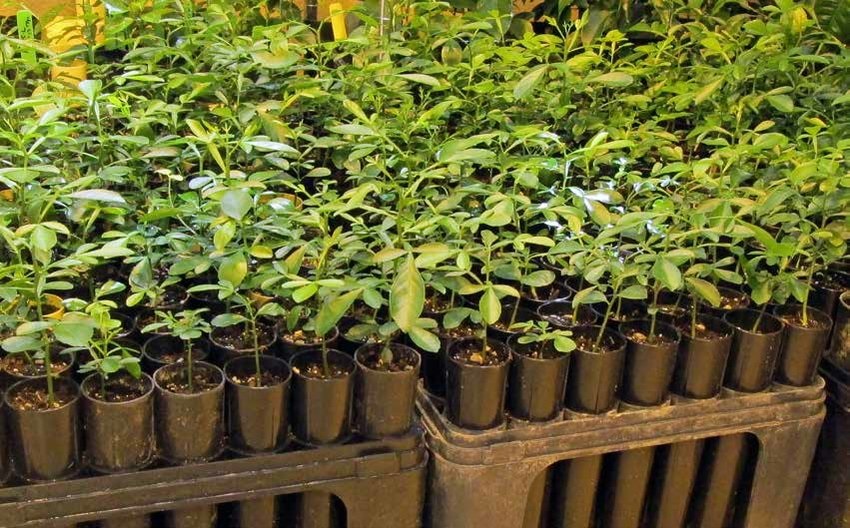
A short commentary from the premier grower at SwallowtailDaylilies offers a useful perspective at the outset. According to their advice, strong-coloured cultivars succeed best when matched with good garden structure and healthy soil, and they recommend starting with well-established daylily plants to ensure consistent flowering and vigour. This practical emphasis on plant quality underpins much of what follows.
Why Bold Colour Has a Place in Productive Gardens
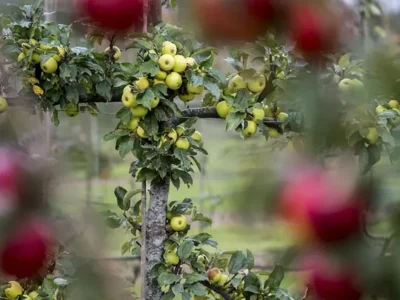
British gardens are often designed around function as much as ornament. Fruit trees, vegetable beds, and herbaceous borders are expected to coexist rather than compete. Bold daylilies work well in this setting because they bring colour without demanding constant attention. Their strappy foliage remains tidy for most of the season and can visually anchor areas beneath apple or pear trees where light levels fluctuate.
Strong colours also help define space. Deep reds, saturated oranges, and clear yellows draw the eye and can be used to mark transitions between different parts of the garden. In mixed plantings, they provide contrast to softer tones and foliage textures. This is particularly effective in spring and early summer, when fruit trees are moving from blossom to leaf and benefit from a visual counterpoint.
Another advantage is reliability. Unlike some short-lived perennials, daylilies establish quickly and tolerate a wide range of soils. Once settled, they cope well with periods of drought and brief waterlogging, both of which are increasingly common. For gardeners balancing ornamental planting with food production, this resilience is valuable.
Bold colour does not mean chaos. When used thoughtfully, strong hues bring coherence. Repeating the same cultivar or colour group through a planting scheme creates rhythm, while pairing bold daylilies with neutral companions such as grasses or shrubs prevents the display from becoming overwhelming.
Ten Daylilies That Deliver Strong Colour
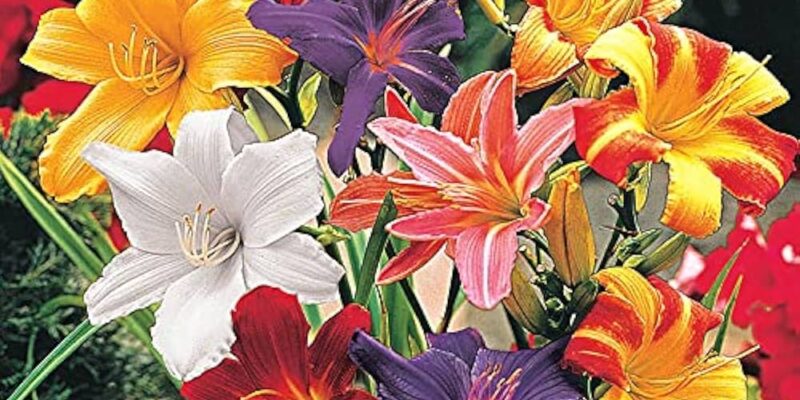
Among the many thousands of registered cultivars, only a fraction combine colour intensity with dependable garden performance. The following ten are consistently valued for both qualities.
‘Chicago Apache’ remains one of the most reliable red daylilies, with a true scarlet flower that holds its colour well even in strong sun. Its upright habit makes it suitable for planting near paths or beneath open-canopied fruit trees.
‘Stafford’ offers a deep blood-red tone with excellent substance. The flowers resist fading and the plant flowers freely in mid-season, making it a good choice for gardeners who want impact without frequent replacement.
‘Bela Lugosi’ is known for its rich purple petals and green throat. While purples can sometimes appear dull in overcast conditions, this cultivar retains clarity and works well against pale stone or timber.
‘Rocket City’ brings a bright, assertive orange that suits contemporary gardens. It is particularly effective when repeated in groups, creating a band of colour that draws the eye across the garden.
‘Frans Hals’ is a bicolour classic, combining yellow and rust-red. Its slightly informal look works well in mixed borders and cottage-style plantings, and it tolerates partial shade.
‘Ruby Spider’ produces large, dramatic flowers in deep red, with a spreading form that fills space quickly. It is best given room to develop, where it can act as a focal point.
‘Bright Sunset’ lives up to its name, offering warm orange tones with subtle red shading. It blends well with late-spring and early-summer flowering plants and extends colour into the warmer months.
‘Crimson Pirate’ is valued for its early flowering and rich red colour. Its foliage emerges cleanly in spring, making it useful in areas where winter clearance is minimal.
‘Autumn Red’ provides a slightly softer red, with hints of burgundy. It works well in gardens aiming for a more restrained palette while still delivering depth.
‘Siloam Showgirl’ introduces pink into the bold colour range. Its clear, strong tone avoids the washed-out look that some pinks develop and suits smaller gardens where scale matters.
Integrating Daylilies with Fruit Trees and Shrubs
Combining ornamental perennials with fruit trees requires attention to root competition, light levels, and maintenance routines. Daylilies are well suited to this role because their root systems are fibrous rather than invasive, allowing them to coexist without significantly reducing tree vigour.
Planting daylilies at the drip line of apple trees works particularly well. This area often receives enough light to encourage flowering, while the tree canopy offers some protection from extreme weather. The daylilies benefit from organic mulches applied for the trees, and their foliage helps suppress weeds.
Colour choice matters in these settings. Strong reds and oranges stand out against the green of fruit tree leaves, creating a clear visual separation between ornamental and productive areas. This can make the garden feel more organised, even when planting is dense.
Maintenance is straightforward. Daylilies can be cut back in autumn or left until spring, depending on preference. In orchards or kitchen gardens, leaving foliage over winter can protect soil structure and provide some habitat, while spring clearance aligns with pruning schedules for fruit trees.
For gardeners expanding their borders, sourcing healthy stock is essential. When considering Daylily plants for sale, it is worth prioritising nurseries that grow plants in similar conditions to your own, as this improves establishment and long-term performance.
Soil, Light, and Care for Maximum Colour Impact
Strong colour is only as good as the plant’s ability to express it. Soil preparation plays a significant role. Daylilies prefer well-drained soil enriched with organic matter, but they are adaptable. In heavier soils, adding compost improves structure, while in lighter soils it helps retain moisture.
Light levels affect both flower quantity and colour intensity. Most bold cultivars perform best in full sun, defined in British conditions as at least six hours of direct light. However, some reds and purples benefit from light afternoon shade, which can reduce fading and prolong the life of individual blooms.
Feeding should be moderate. Excessive nitrogen encourages leaf growth at the expense of flowers. A balanced feed in spring, followed by a lighter application after the main flowering period, is usually sufficient. Mulching with compost or well-rotted manure provides slow-release nutrients and improves soil health.
Division every four to five years keeps clumps vigorous. Overcrowded plants produce fewer flowers and may lose colour intensity. Dividing in spring or early autumn allows plants to re-establish before extremes of heat or cold.
Watering during prolonged dry spells supports consistent flowering. While daylilies are drought-tolerant once established, even moisture helps maintain colour saturation, particularly in cultivars with darker tones.
Using Bold Daylilies in Garden Design
Designing with strong colour requires restraint as much as confidence. Bold daylilies are most effective when used as structural elements rather than scattered accents. Grouping three or five plants of the same cultivar creates a clear statement and avoids visual clutter.
Colour relationships matter. Reds and oranges pair well with silver foliage and pale stone, while purples benefit from nearby greens that highlight their depth. Avoid placing too many competing colours together, as this can dilute the impact each plant makes.
Seasonal planning is also important. Daylilies can bridge gaps between spring bulbs and later summer perennials. Selecting cultivars with staggered flowering times extends the period of interest and ensures that bold colour is present when other parts of the garden are quieter.
In smaller gardens, scale should be considered. Large-flowered cultivars like ‘Ruby Spider’ suit open spaces, while more compact types fit neatly into tighter borders. Matching plant size to garden scale ensures that colour feels intentional rather than overpowering.
Path edges, seating areas, and the approaches to fruit trees all benefit from clear visual cues. Bold daylilies can guide movement through the garden, making practical spaces feel more considered and welcoming.
Longevity, Sustainability, and Choosing the Right Plants
Daylilies align well with sustainable gardening principles. Their longevity reduces the need for frequent replanting, and their tolerance of varied conditions lowers reliance on intensive inputs. For gardeners aiming to balance beauty with environmental responsibility, this matters.
Choosing named cultivars from reputable growers supports these aims. Plants that are true to type and well grown establish faster and perform as expected. While impulse purchases can be tempting, thoughtful selection saves time and resources in the long term.
As interest in resilient, low-maintenance planting grows, so does the availability of quality stock. Gardeners exploring Daylily plants for sale should look for clear information about flowering time, height, and colour, as well as guidance on care. This knowledge allows plants to be placed where they will succeed rather than struggle.
Bold colour is not a passing trend. In a garden that includes fruit trees and productive spaces, it brings clarity and confidence. The ten daylilies discussed here demonstrate that strength of colour can coexist with practicality, offering British gardeners plants that work hard while making a clear visual statement.