Sports

The Evolution of Modern Sports: Performance, Technology, and Global Impact

Sports have always reflected the societies that play them. From ancient athletic contests to today’s data-driven competitions, modern sports represent a blend of physical excellence, innovation, and global culture. What was once about raw talent and endurance has transformed into a sophisticated ecosystem powered by science, technology, and media.

The Foundations of Competitive Sports

Early sports were deeply connected to survival, warfare, and ritual. Over time, they became organized forms of competition with defined rules and governing bodies.

Key characteristics of early sports included:

  • Emphasis on strength, speed, and stamina

  • Limited equipment and natural playing environments

  • Local or regional participation rather than global reach

These foundations still influence today’s sports, even as the landscape has changed dramatically.

The Role of Science in Athlete Performance

Modern sports are inseparable from sports science. Athletes now train smarter, not just harder, using evidence-based methods to maximize performance and reduce injury risk.

Core areas of sports science include:

  • Exercise physiology for endurance and strength optimization

  • Biomechanics to refine movement efficiency

  • Nutrition science for recovery and energy management

  • Sports psychology to enhance focus and resilience

This scientific approach has extended athletic careers and raised performance standards across nearly every sport.

Technology Transforming the Game

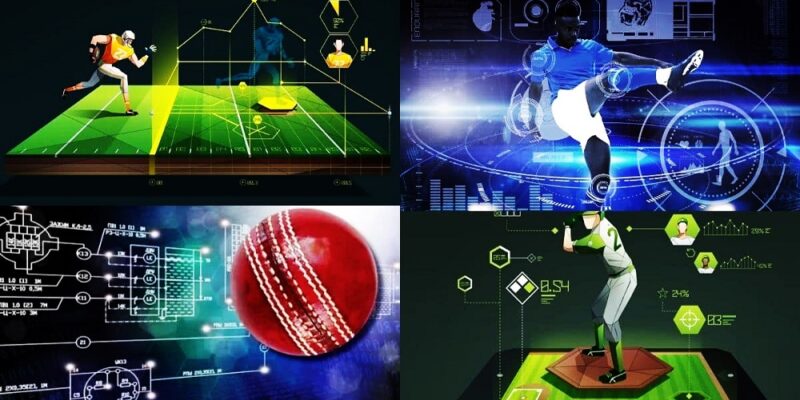
Technology has reshaped how sports are played, judged, and consumed. From training sessions to live broadcasts, innovation is everywhere.

Notable technological advancements include:

  • Wearable devices tracking heart rate, speed, and workload

  • Video assistant systems improving officiating accuracy

  • Advanced analytics guiding tactics and player selection

  • High-definition broadcasting enhancing fan experience

These tools have made sports more transparent, precise, and engaging than ever before.

Globalization and the Business of Sports

Sports are now a global industry worth billions. International leagues, worldwide fan bases, and digital platforms have turned local games into global brands.

Factors driving sports globalization:

  • Expansion of international tournaments and leagues

  • Growth of sports media rights and sponsorships

  • Social media connecting athletes directly with fans

  • Increased athlete mobility across countries and continents

As a result, sports influence culture, economics, and even diplomacy on a global scale.

The Cultural Impact of Sports

Beyond competition, sports play a powerful social role. They inspire unity, shape identities, and provide platforms for social change.

Sports contribute to society by:

  • Promoting inclusion and diversity

  • Encouraging youth participation and healthy lifestyles

  • Amplifying voices on social and ethical issues

  • Creating shared moments across cultures

This cultural influence ensures sports remain relevant beyond wins and losses.

What the Future Holds for Sports

The future of sports points toward deeper integration of technology and sustainability. Virtual training environments, AI-driven analysis, and eco-friendly sporting events are becoming priorities.

Emerging trends include:

  • Artificial intelligence in performance prediction

  • Virtual and augmented reality for training and fan engagement

  • Greater focus on mental health and athlete well-being

  • Sustainable infrastructure and reduced environmental impact

Sports will continue to evolve, balancing tradition with innovation.

Frequently Asked Questions (FAQs)

1. How has sports science changed athlete training?
Sports science has introduced data-backed training, recovery protocols, and injury prevention strategies that improve performance and longevity.

2. Why is technology so important in modern sports?
Technology enhances accuracy, fairness, performance analysis, and the overall experience for athletes, officials, and fans.

3. Are modern athletes fitter than past generations?
Yes, due to better training methods, nutrition, and medical support, modern athletes generally achieve higher performance levels.

4. How does globalization affect local sports cultures?
Globalization increases exposure and revenue but can also challenge local traditions, requiring balance between global appeal and cultural identity.

5. What role do fans play in shaping modern sports?
Fans drive demand, influence media coverage, and shape league decisions through engagement and viewership.

6. Will technology ever replace human officials completely?
Technology assists decision-making, but human judgment remains essential for interpreting complex or subjective situations.

7. How are sports addressing sustainability concerns?
Many organizations are adopting greener stadiums, reducing waste, and promoting environmental responsibility in events.

You may also like