 By Daxton Derek
Introduction
Education is undergoing a profound transformation as globalization connects societies, economies, and cultures more closely than ever before. Borders that once limited access to knowledge are dissolving, creating new opportunities and challenges for learners worldwide. The future of education in a globalized world will be defined by adaptability, inclusivity, and a shared commitment to lifelong learning.
Globalization and Its Influence on Education
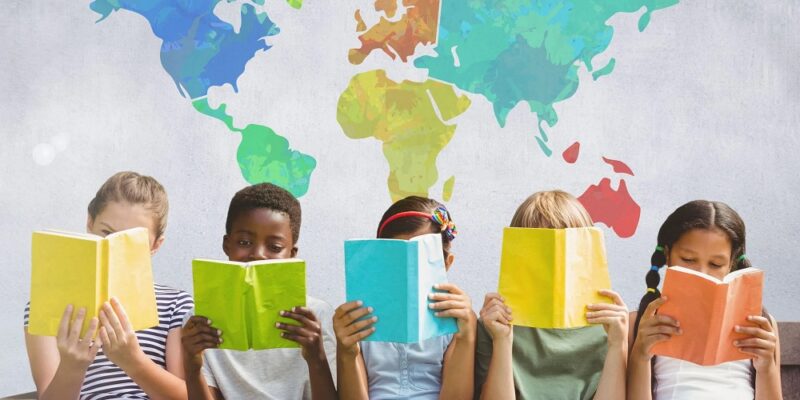
Globalization has expanded the scope of education beyond national boundaries, enabling the exchange of ideas, skills, and cultures.
Key Impacts of Globalization on Education
-
Increased international student mobility
-
Cross-border academic collaborations
-
Global standardization of skills and qualifications
-
Exposure to diverse perspectives and cultures
Education is no longer confined to local needs but aligned with global expectations.
Technology as the Backbone of Global Learning
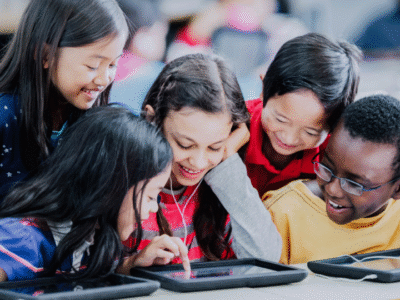
Technological advancements are driving global access to education at an unprecedented scale.
Technological Shifts Shaping Education
-
Online learning platforms reaching global audiences
-
Virtual classrooms connecting students across continents
-
Artificial intelligence enabling personalized learning paths
-
Cloud-based resources providing instant access to knowledge
Technology ensures that learning opportunities are no longer limited by geography.
The Rise of Skill-Based and Competency Learning
As global job markets evolve, education systems are shifting focus from theoretical knowledge to practical skills.
Skills for a Globalized Workforce
-
Critical thinking and problem-solving
-
Digital literacy and data skills
-
Cross-cultural communication
-
Adaptability and lifelong learning
Employers worldwide increasingly value competencies that can be applied across industries and regions.
Cultural Awareness and Global Citizenship
Education in a globalized world must foster understanding and respect among diverse populations.
Education for Global Citizenship
-
Promotes tolerance and empathy
-
Encourages awareness of global issues
-
Builds ethical responsibility and social consciousness
-
Prepares learners to collaborate across cultures
This approach helps students become responsible global citizens rather than passive learners.
Inclusive and Equitable Education for All
Globalization highlights inequalities while also offering tools to reduce them.
Steps Toward Inclusive Education
-
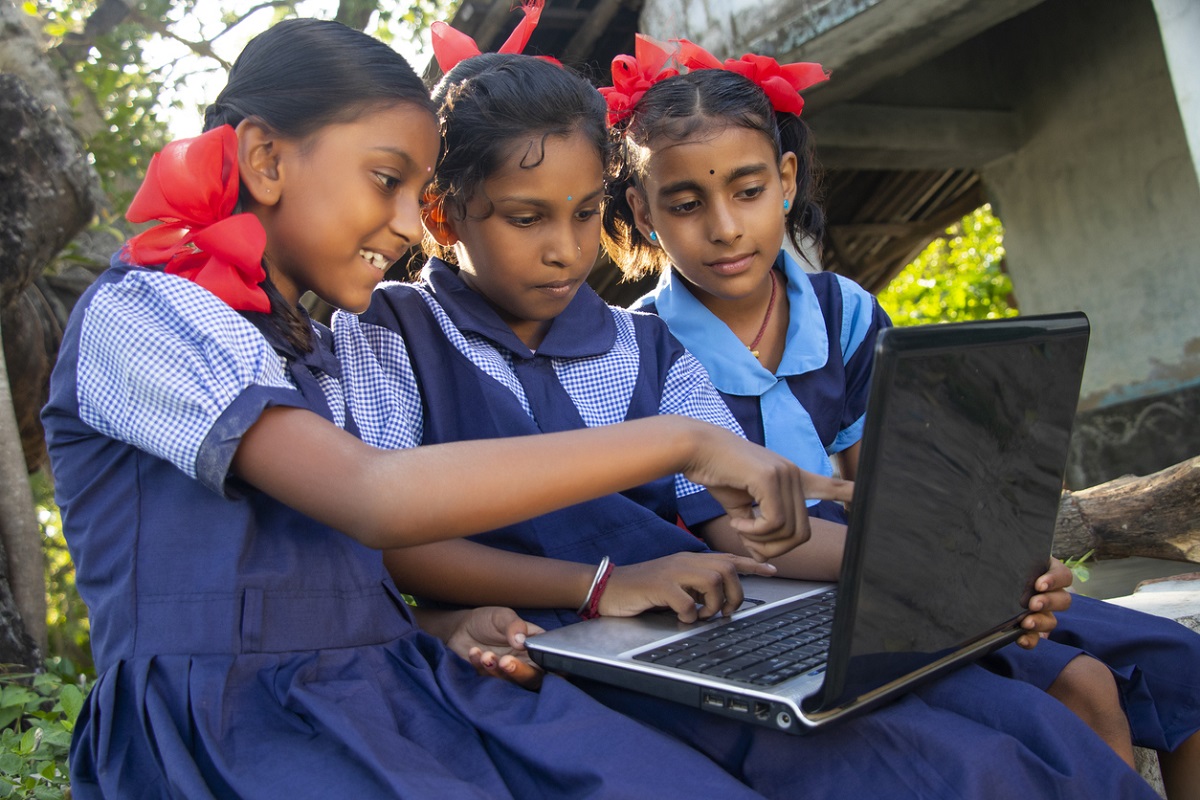
Expanding digital access in underserved regions
-
Designing inclusive curricula for diverse learners
-
Supporting multilingual education
-
Addressing gender and socioeconomic disparities
Equitable education ensures that globalization benefits all learners, not just a privileged few.
The Changing Role of Educators
Teachers are transitioning from information providers to learning facilitators and mentors.
Future Responsibilities of Educators
-
Guiding students through critical inquiry
-
Integrating global perspectives into lessons
-
Using technology effectively in instruction
-
Supporting emotional and social development
Educators will play a crucial role in preparing learners for a globally connected world.
Challenges in a Globalized Education System
Despite its potential, globalized education faces notable challenges.
Major Challenges
-
Digital divide between developed and developing regions
-
Standardization versus cultural relevance
-
Quality assurance in online and cross-border education
-
Data privacy and ethical use of technology
Addressing these challenges requires international cooperation and forward-thinking policies.
The Road Ahead for Global Education
The future of education lies in collaboration, innovation, and flexibility.
Emerging Trends to Watch
-
Global credential recognition systems
-
Hybrid learning models
-
Emphasis on sustainability and global responsibility
-
Continuous reskilling to meet evolving job markets
Education systems that embrace change will remain relevant and resilient.
Conclusion
The future of education in a globalized world is dynamic, interconnected, and learner-centered. By embracing technology, promoting inclusivity, and prioritizing global skills, education can empower individuals to thrive in an ever-changing global landscape. Investing in adaptable and equitable education systems today will shape a more informed, collaborative, and sustainable tomorrow.
Frequently Asked Questions (FAQs)
1. How does globalization affect education systems?
Globalization expands access to knowledge, encourages international collaboration, and aligns education with global skill demands.
2. Why is technology essential for global education?
Technology enables remote learning, personalized instruction, and equal access to educational resources worldwide.
3. What skills are most important in a globalized education system?
Critical thinking, digital literacy, adaptability, and cross-cultural communication are essential global skills.
4. How can education promote global citizenship?
By teaching cultural awareness, ethical responsibility, and understanding of global challenges.
5. What role do teachers play in the future of education?
Teachers act as facilitators, mentors, and guides, helping students navigate complex global knowledge.
6. What are the main challenges of globalized education?
Key challenges include inequality in access, quality control, and balancing global standards with local needs.
7. How can education become more inclusive globally?
Through digital access, inclusive curricula, multilingual learning, and supportive education policies.