 By Daxton Derek
A home is more than a physical structure; it is a sanctuary that reflects lifestyle, values, and personal identity. The concept of home encompasses comfort, safety, aesthetics, and functionality, shaping both daily life and long-term well-being. Understanding how to design, maintain, and optimize living spaces involves a combination of architectural insight, interior design, sustainability, and psychological awareness.
The Role of a Home in Daily Life
A home serves as the foundation for everyday activities, social interactions, and personal development. It is where individuals rest, entertain, work, and cultivate relationships. Creating a functional and aesthetically pleasing home enhances productivity, promotes mental well-being, and fosters a sense of belonging.
Physical Comfort and Functionality
A home should cater to the physical needs of its occupants by providing a comfortable environment and practical layout:
- Climate control: Proper heating, ventilation, and air conditioning systems ensure a stable indoor temperature.
- Ergonomic design: Furniture and room layouts that support posture, movement, and ease of access improve comfort and prevent physical strain.
- Spatial organization: Efficient use of space, storage solutions, and thoughtful room zoning enhance usability and reduce clutter.
- Safety features: Smoke detectors, fire extinguishers, secure locks, and childproofing measures protect inhabitants from harm.
Emotional and Psychological Benefits
The home environment has a profound impact on emotional health. Thoughtful design and personalization foster a sense of identity and security:
- Color and lighting: Natural light and calming colors can reduce stress, improve mood, and enhance productivity.
- Personalization: Displaying personal mementos, art, and décor items creates emotional connections to space.
- Quiet zones: Designated areas for relaxation or work allow for mental decompression and focus.
Home Design and Architecture
The architecture and design of a home influence functionality, aesthetics, and sustainability. Considerations for modern living involve balancing style, practicality, and environmental responsibility.
Interior Design Principles
Interior design enhances the experience of living through thoughtful arrangement, textures, and aesthetics:
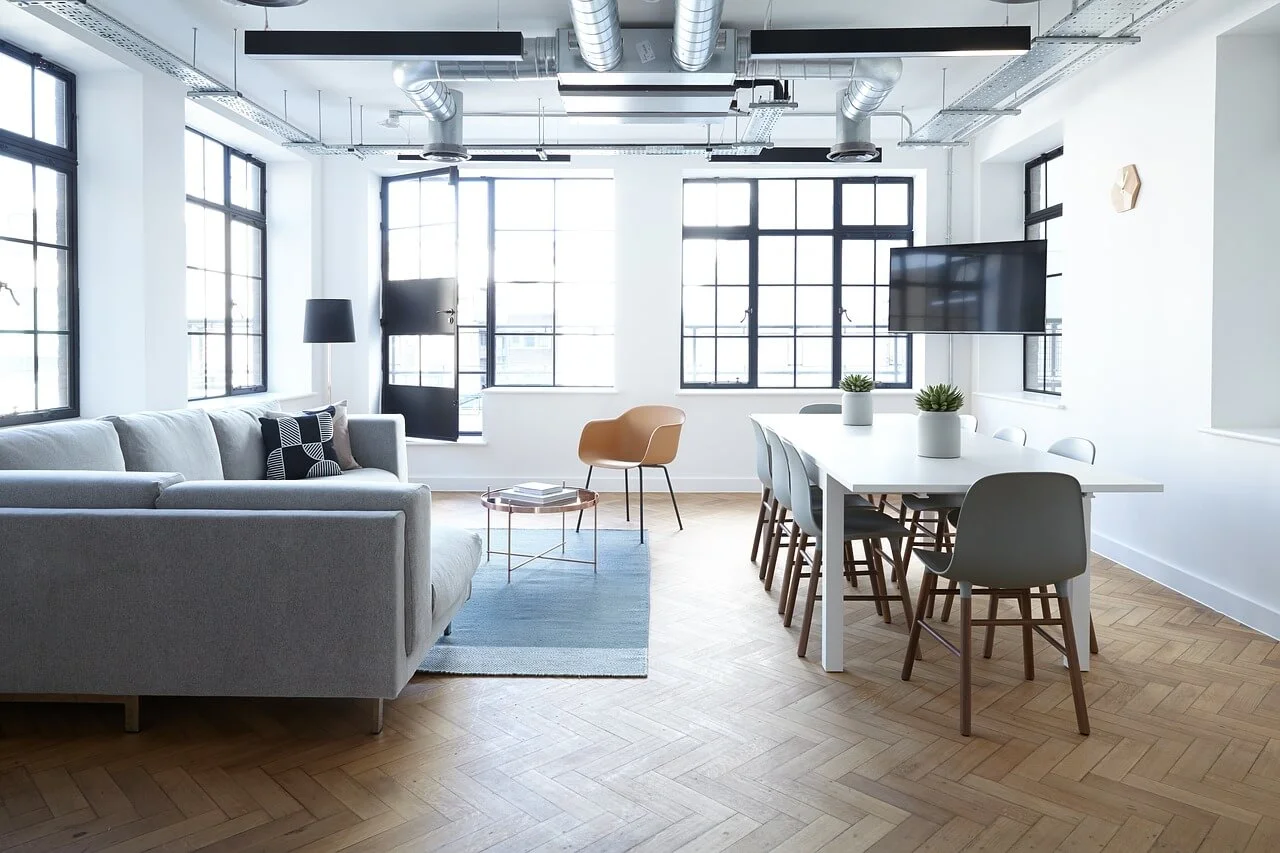
- Spatial flow: Open-concept layouts promote natural movement and interaction, while private areas offer retreat.
- Material selection: Durable, low-maintenance, and eco-friendly materials reduce upkeep while supporting sustainability.
- Lighting design: A combination of ambient, task, and accent lighting creates atmosphere and enhances visual comfort.
- Furniture and décor: Multi-functional furniture maximizes space, while décor choices reflect personality and lifestyle.
Architectural Considerations
The structure of a home affects longevity, efficiency, and livability:
- Structural integrity: Quality construction materials and sound engineering practices ensure safety and durability.
- Energy efficiency: Proper insulation, high-performance windows, and energy-efficient systems reduce utility costs and environmental impact.
- Outdoor integration: Balconies, patios, gardens, and natural views enhance mental health and promote outdoor activities.
- Adaptability: Flexible spaces that can evolve with changing family needs improve long-term livability.
Sustainability in Home Living
Sustainable living in the home is essential for reducing environmental impact and improving long-term economic efficiency.
Eco-Friendly Materials and Practices
- Renewable materials: Bamboo, reclaimed wood, and recycled metals reduce the ecological footprint of construction and décor.
- Low-VOC paints and finishes: Improve indoor air quality and reduce exposure to harmful chemicals.
- Water-saving fixtures: Low-flow toilets, faucets, and rainwater harvesting systems conserve resources.
- Energy-efficient appliances: Smart thermostats, LED lighting, and energy-star rated appliances minimize energy consumption.
Green Home Technologies
Modern homes incorporate technology to enhance sustainability:
- Solar panels and renewable energy systems: Reduce reliance on fossil fuels and lower electricity bills.
- Smart home automation: Automated lighting, climate control, and energy monitoring optimize usage and convenience.
- Recycling and composting systems: Support sustainable waste management practices within the household.
Home Maintenance and Upkeep
Proper maintenance ensures that a home remains safe, functional, and aesthetically pleasing over time.
Routine Maintenance
- Plumbing and electrical systems: Regular inspections prevent leaks, corrosion, and fire hazards.
- Roof and exterior care: Cleaning gutters, inspecting shingles, and sealing surfaces protect against weather damage.
- HVAC maintenance: Timely servicing maintains air quality, efficiency, and comfort.
- Pest control: Preventing infestations safeguards structural integrity and health.
Seasonal Preparation
Adjusting homes according to seasonal changes ensures comfort and efficiency:
- Winter preparation: Insulation, heating checks, and draft-proofing prevent energy loss.
- Summer preparation: Ventilation, shade structures, and cooling systems reduce heat-related discomfort.
- Storm readiness: Securing windows, reinforcing structures, and emergency kits protect against extreme weather.
Home and Health Connection
A well-designed home impacts physical and mental health. Factors such as air quality, lighting, ergonomics, and environmental noise influence well-being.
- Indoor air quality: Proper ventilation, air purifiers, and minimal chemical exposure reduce respiratory issues and allergies.
- Noise management: Soundproofing and thoughtful spatial arrangement minimize stress and promote relaxation.
- Movement encouragement: Staircases, home gyms, and open spaces encourage physical activity.
- Mental wellness spaces: Meditation corners, reading nooks, or hobby areas foster emotional balance.
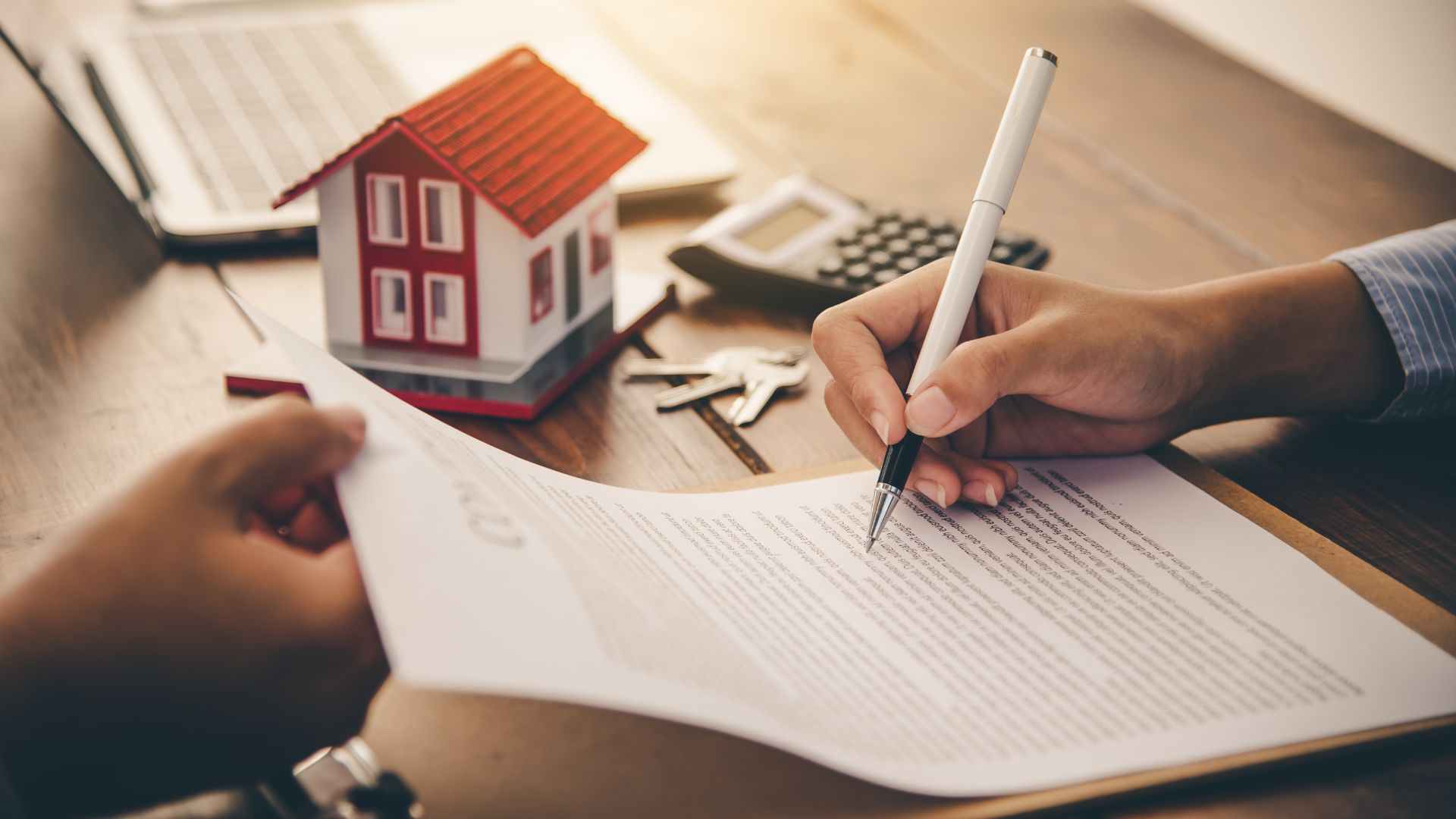
Financial Considerations in Home Ownership
Owning and maintaining a home involves significant financial planning. Smart financial management ensures long-term stability and comfort.
Budgeting and Mortgage Planning
- Down payments and mortgages: Understanding interest rates, terms, and repayment strategies reduces long-term costs.
- Insurance coverage: Homeowner’s insurance protects against property damage, liability, and natural disasters.
- Property taxes and fees: Accurate budgeting prevents financial strain and ensures timely compliance.
- Renovation and improvement costs: Planning for upgrades, repairs, and energy-efficient investments enhances home value.
Investment and Equity Building
A home can serve as a financial asset:
- Appreciation: Strategic location and quality construction increase property value over time.
- Equity leverage: Home equity can be used for loans or reinvestment in property improvements.
- Rental opportunities: Subleasing or hosting short-term rentals can generate supplemental income.
Real-Life Home Optimization Tips
Creating a functional and enjoyable home environment requires practical strategies:
- Declutter regularly: Minimalism and organization improve visual appeal and reduce stress.
- Maximize natural light: Position furniture and use mirrors to enhance daylight exposure.
- Integrate multi-purpose spaces: Convert spare rooms into home offices, gyms, or guest accommodations.
- Personalize décor: Incorporate colors, textures, and objects that reflect personality and lifestyle.
- Smart storage solutions: Built-in shelves, under-bed storage, and vertical organizers improve efficiency.
FAQs About Home
How can I make my home more energy-efficient?
Implement proper insulation, energy-efficient appliances, LED lighting, solar panels, and smart thermostats to optimize energy usage and reduce costs.
What is the most important factor in designing a functional home?
Balancing spatial flow, ergonomics, and storage ensures the home is practical, comfortable, and adaptable to family needs.
How does a well-maintained home impact health?
Clean air, reduced allergens, safe structures, and noise management contribute to physical and mental well-being.
What are the best strategies for sustainable home living?
Utilize renewable materials, low-VOC paints, water-saving fixtures, energy-efficient appliances, and smart home technologies to minimize environmental impact.
How can I maximize the value of my home investment?
Invest in quality construction, strategic renovations, energy efficiency upgrades, and regular maintenance to enhance property value over time.
A home is a dynamic environment that integrates comfort, functionality, aesthetics, and personal expression. By understanding the interplay between design, maintenance, sustainability, and health, homeowners can create spaces that nurture well-being, foster productivity, and provide long-term value. Prioritizing thoughtful home management ensures that a home serves as both a sanctuary and a lasting investment.