 By Daxton Derek
The term auto, short for automobile, encompasses a broad spectrum of vehicles that have become indispensable to modern life. From the invention of the first gasoline-powered car in the late 19th century to the rise of electric and autonomous vehicles today, the auto industry has consistently evolved, reshaping the way we live, work, and interact with the environment. In this article, we explore the history, technology, environmental implications, and future trends within the auto sector, providing a detailed guide for enthusiasts, consumers, and industry observers.
The History of the Automobile
The automobile has undergone remarkable transformations since its inception. Early cars were considered a luxury, accessible only to the wealthy. Key milestones include:
- 1886: Karl Benz unveiled the Benz Patent-Motorwagen, widely regarded as the first practical automobile.
- 1908: Henry Ford revolutionized production with the Model T, making cars more affordable through assembly line manufacturing.
- 1920s-1930s: Advancements in safety, comfort, and engine performance set the stage for widespread adoption.
- Post-WWII Era: The auto industry experienced rapid growth, with cars becoming central to urban planning and culture.
Understanding this history provides context for modern innovations and helps explain the cultural significance of autos in contemporary society.
Key Components of Modern Automobiles
A car is more than just a mode of transportation. Its complexity lies in the integration of mechanical, electrical, and software systems. Core components include:
- Engine: The powerhouse, whether internal combustion, electric, or hybrid.
- Transmission: Responsible for delivering power to the wheels, including automatic, manual, and continuously variable options.
- Suspension and Steering: Ensures smooth handling and ride comfort.
- Braking Systems: From traditional disc brakes to advanced anti-lock braking systems (ABS).
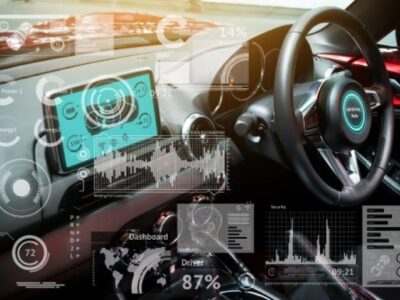
- Electronics and Sensors: Modern autos are equipped with multiple sensors that monitor performance, safety, and driver assistance systems.
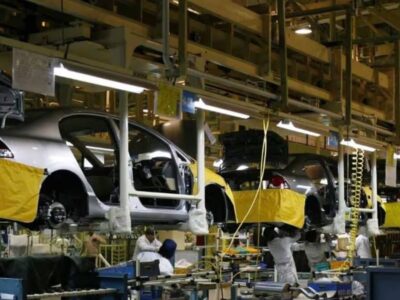
These elements collectively determine the performance, efficiency, and safety of a vehicle, highlighting the engineering precision required in auto manufacturing.
The Shift Toward Electric Vehicles
One of the most transformative trends in the auto industry is the rise of electric vehicles (EVs). Driven by environmental concerns, technological advancements, and policy incentives, EVs are reshaping the market landscape. Key advantages include:
- Zero Emissions: EVs reduce greenhouse gas emissions, contributing to climate change mitigation.
- Lower Operating Costs: Electricity is generally cheaper than gasoline, and EVs require less maintenance.
- Innovation in Design: EV architecture allows for spacious interiors, improved aerodynamics, and novel design possibilities.
Battery technology, particularly lithium-ion and emerging solid-state batteries, remains central to the expansion of electric autos. Charging infrastructure is also rapidly evolving, with high-speed charging stations becoming more accessible to consumers.
Autonomous and Smart Vehicles
Autonomous driving represents the next frontier in automotive innovation. Self-driving cars utilize a combination of sensors, cameras, radar, and artificial intelligence to navigate roads safely. Levels of automation are classified from Level 0 (no automation) to Level 5 (fully autonomous). Benefits of autonomous autos include:
- Enhanced Safety: Reduced human error, which is responsible for the majority of accidents.
- Efficiency: Optimized traffic flow and reduced congestion.
- Accessibility: Expanded mobility for individuals unable to drive due to age or disability.
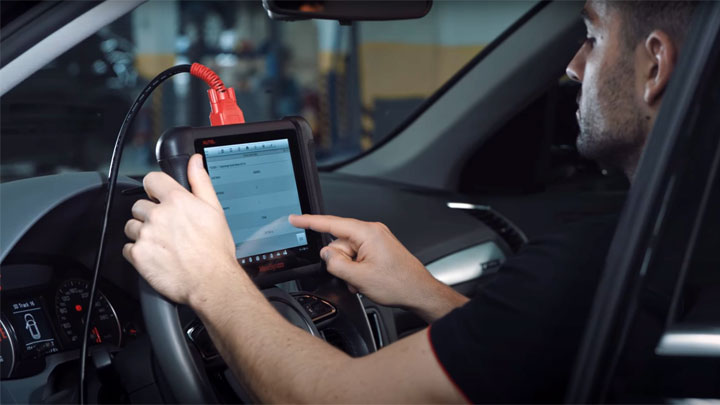
Smart vehicle features also include driver-assistance technologies like adaptive cruise control, lane-keeping assist, and predictive maintenance, which improve both safety and convenience.
Auto Industry Trends and Innovations
The auto sector continues to innovate beyond electric and autonomous vehicles. Current trends include:
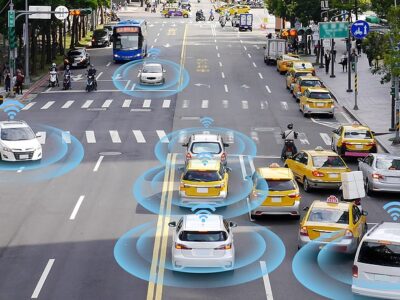
- Connected Vehicles: Integration with the Internet of Things (IoT) allows cars to communicate with infrastructure, other vehicles, and mobile devices.
- Sustainable Materials: Automakers are increasingly using recycled materials and lightweight composites to reduce environmental impact.
- Shared Mobility: Ride-sharing and car-sharing services are transforming vehicle ownership models, reducing the overall number of vehicles needed in urban areas.
- Performance Enhancements: Advancements in aerodynamics, lightweight materials, and hybrid powertrains improve fuel efficiency without compromising power.
These trends not only shape consumer experiences but also have significant implications for urban planning, environmental sustainability, and global supply chains.
Economic and Environmental Impact
Automobiles are central to the global economy. The auto industry supports millions of jobs, drives technological research, and stimulates related sectors like energy, insurance, and logistics. However, it also presents environmental challenges:
- Air Pollution: Traditional internal combustion engines emit nitrogen oxides, particulates, and greenhouse gases.
- Resource Consumption: Manufacturing vehicles requires metals, plastics, and rare earth elements, which have ecological costs.
- Waste Management: End-of-life vehicle disposal and battery recycling are critical to sustainable development.
Addressing these issues requires a combination of technological innovation, government regulation, and consumer awareness. The growth of electric and hybrid vehicles is a step toward mitigating environmental impacts while meeting mobility needs.
Consumer Considerations When Choosing an Auto
Selecting a vehicle is no longer solely about aesthetics or speed. Modern consumers consider multiple factors:
- Fuel Type: Gasoline, diesel, hybrid, or electric.
- Performance: Acceleration, handling, and engine reliability.
- Safety Features: Crash test ratings, airbags, collision detection, and lane assistance.
- Technology Integration: Infotainment, navigation systems, and smartphone connectivity.
- Total Cost of Ownership: Beyond purchase price, including insurance, maintenance, fuel, and resale value.
By evaluating these factors, buyers make informed decisions that balance personal preference with long-term practicality.
The Future of the Auto Industry
The auto sector is poised for continued transformation. Key future developments include:
- Widespread Electrification: Governments worldwide are setting deadlines for phasing out internal combustion engines.
- Autonomous Mobility: Self-driving vehicles may become mainstream, especially in urban environments.
- Sustainable Manufacturing: Reduced carbon footprints, circular economy practices, and innovative materials will define production methods.
- Integration with Renewable Energy: EVs will increasingly serve as energy storage devices, contributing to grid stability.
These shifts promise to redefine mobility, reduce environmental impact, and enhance safety for drivers and pedestrians alike.
Frequently Asked Questions About Autos
Q: What is the main difference between hybrid and electric vehicles?
A: Hybrid vehicles combine an internal combustion engine with an electric motor, using both for propulsion. Fully electric vehicles rely entirely on battery power.
Q: How long does an electric vehicle battery last?
A: EV batteries typically last between 8 to 15 years, depending on usage, climate, and maintenance. Many manufacturers offer warranties covering battery life.
Q: Are autonomous vehicles safe?
A: While autonomous technology is improving safety by reducing human error, it is not infallible. Regulatory frameworks and rigorous testing are essential for safe deployment.
Q: How does vehicle connectivity improve driving?
A: Connected vehicles communicate with infrastructure, other vehicles, and devices, enhancing navigation, safety alerts, traffic management, and predictive maintenance.
Q: What are the financial benefits of owning an electric vehicle?
A: EV owners benefit from lower fuel costs, reduced maintenance needs, and tax incentives in many regions, contributing to long-term savings.
Q: Can electric vehicles be used in extreme weather conditions?
A: Modern EVs are designed to operate efficiently in various climates. However, extreme cold can reduce battery range, while high heat may affect performance over time.